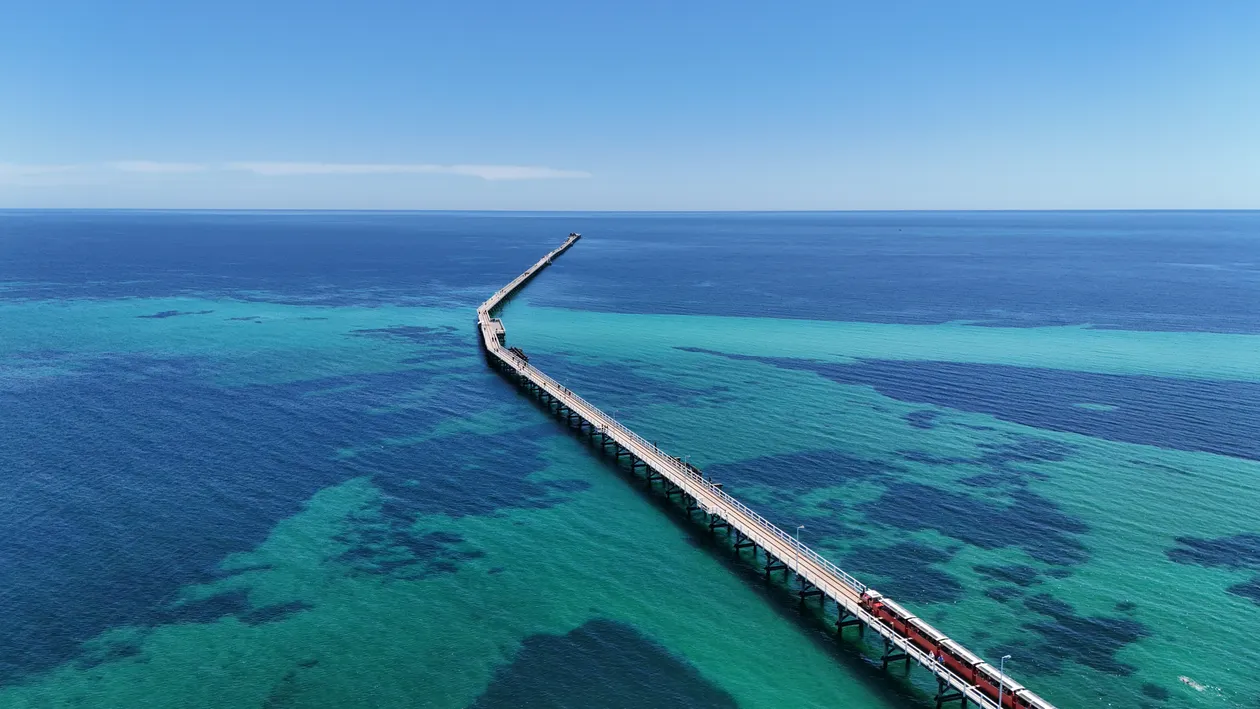
Busselton Jetty
A 1.8-kilometre structure extending into Geographe Bay, providing an elevated vantage point to scan the horizon for cetacean activity.
Bring binoculars to scan the water surface near the end sections.

Western Australia's coastline hosts one of the planet's most accessible blue whale migration routes. Between March and June, pygmy blue whales — a distinct Southern Hemisphere subspecies — pass within kilometres of Busselton's shore as they travel between Antarctic feeding grounds and tropical breeding waters.
Quick answer
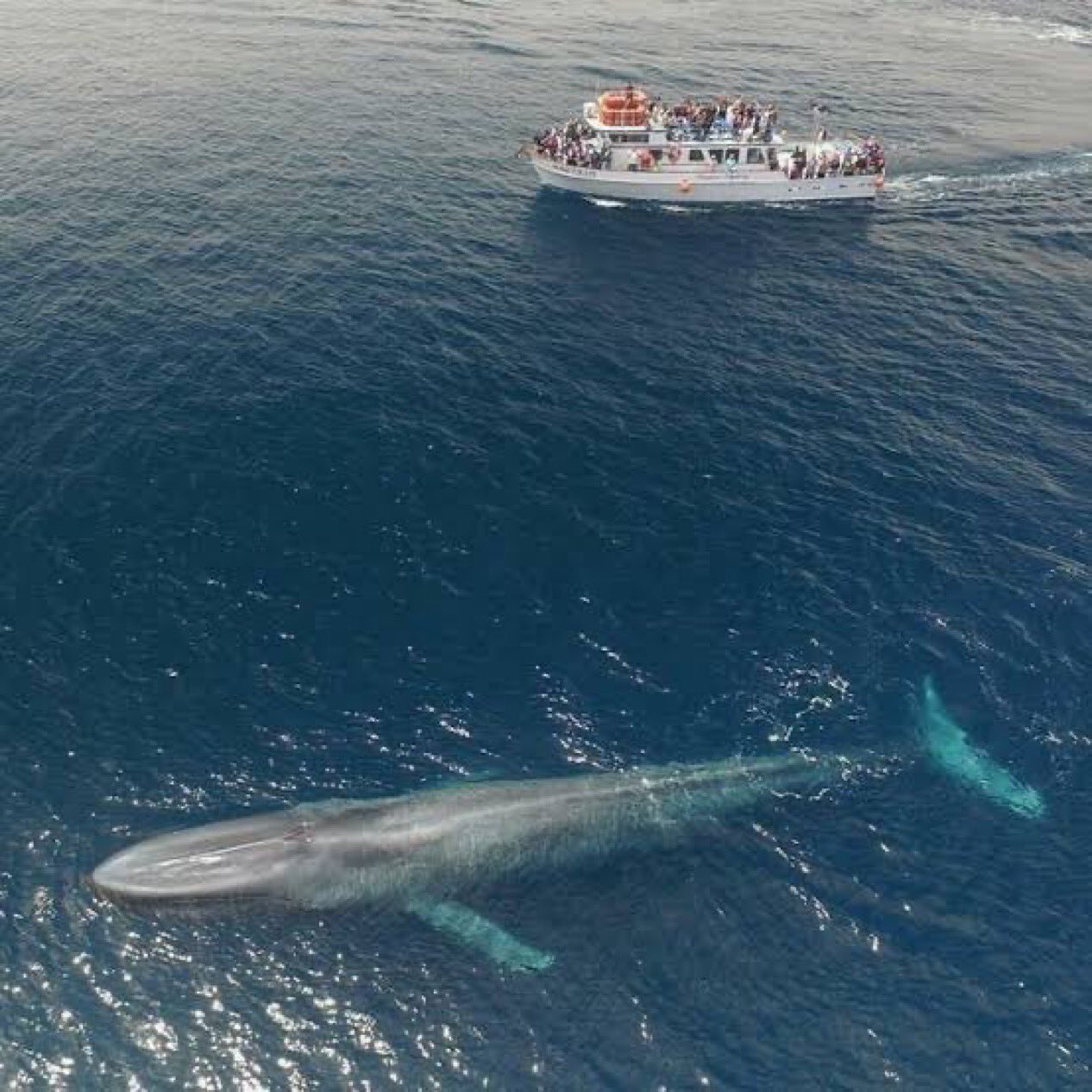
Yes, you can see blue whales in Australia, specifically pygmy blue whales along the Busselton coast. These animals migrate through Geographe Bay from late February through early June, with peak sightings during March and April. The 1.8-kilometre Busselton Jetty provides an elevated vantage point directly over their migration corridor, and whales occasionally surface within 500 metres of the structure during calm conditions.
Pygmy blue whales reach lengths of 24 metres and weigh up to 80 tonnes, making them the largest animals regularly visible from Australian shores. Unlike their larger Antarctic blue whale relatives, pygmy blues follow predictable coastal routes during autumn migration, funnelling through continental shelf waters that bring them close to land. Geographe Bay's bathymetry creates a natural highway for northbound whales departing the Southern Ocean. The continental shelf pinches inward near Busselton, compressing migration paths into a narrow band between 2 and 15 kilometres offshore. Calm mornings after southerly wind shifts produce the clearest sightings, when flat water reveals the whale's distinctive mottled blue-grey colouration and the tall, columnar blow that can reach nine metres high. Observers stationed at the jetty's end gain an unobstructed 180-degree scan of the migration lane. Whale detection from shore requires patience and specific optical conditions. Binoculars rated 8x42 or higher resolve the blowholes at distance, while polarised lenses cut surface glare that obscures surfacing animals. Most sightings occur between 09:00 and 15:00 when sun angle and sea state align, though whales feed and travel on tidal cycles independent of human convenience. A single whale typically surfaces four to six times in a breathing sequence before diving for 8 to 12 minutes, so sustained observation windows improve encounter probability. The Busselton Jetty Interpretive Centre archives seasonal sighting logs and provides real-time migration updates during peak months. Staff track daily whale counts, travel direction, and behaviour notes that inform visitor positioning along the jetty span. March remains the statistical peak for blue whale encounters, when daily counts can exceed a dozen individuals, though April offers comparable numbers with smaller weekend crowds and better underwater observatory visibility for complementary marine life observation.
“Geographe Bay's narrowing continental shelf compresses pygmy blue whale migration into a corridor visible from Busselton's jetty.”
Blue whale sightings near Busselton are rare, as their primary migration occurs further offshore in the Perth Canyon between November and May. Visitors seeking marine life encounters typically focus on the humpback and southern right whale migration seasons.
Mild, 16°C to 22°C
This period marks the peak of the humpback whale return migration as they travel south with calves.
Cool and wet, 12°C to 18°C
Humpbacks and southern right whales are frequently sighted in Geographe Bay during these months.
—
Visiting mid-week offers quieter conditions for viewing marine life from the Busselton Jetty and observatory.
Verdict: For the highest probability of observing marine mammals, plan a visit between September and November on a weekday morning.
The Busselton Jetty and its Underwater Observatory serve as fixed platforms for monitoring the marine environment of Geographe Bay. These structures offer distinct vantage points to observe local species and understand the broader context of marine life in the region.
A 1.8-kilometre structure extending into Geographe Bay, providing an elevated vantage point to scan the horizon for cetacean activity.
Bring binoculars to scan the water surface near the end sections.
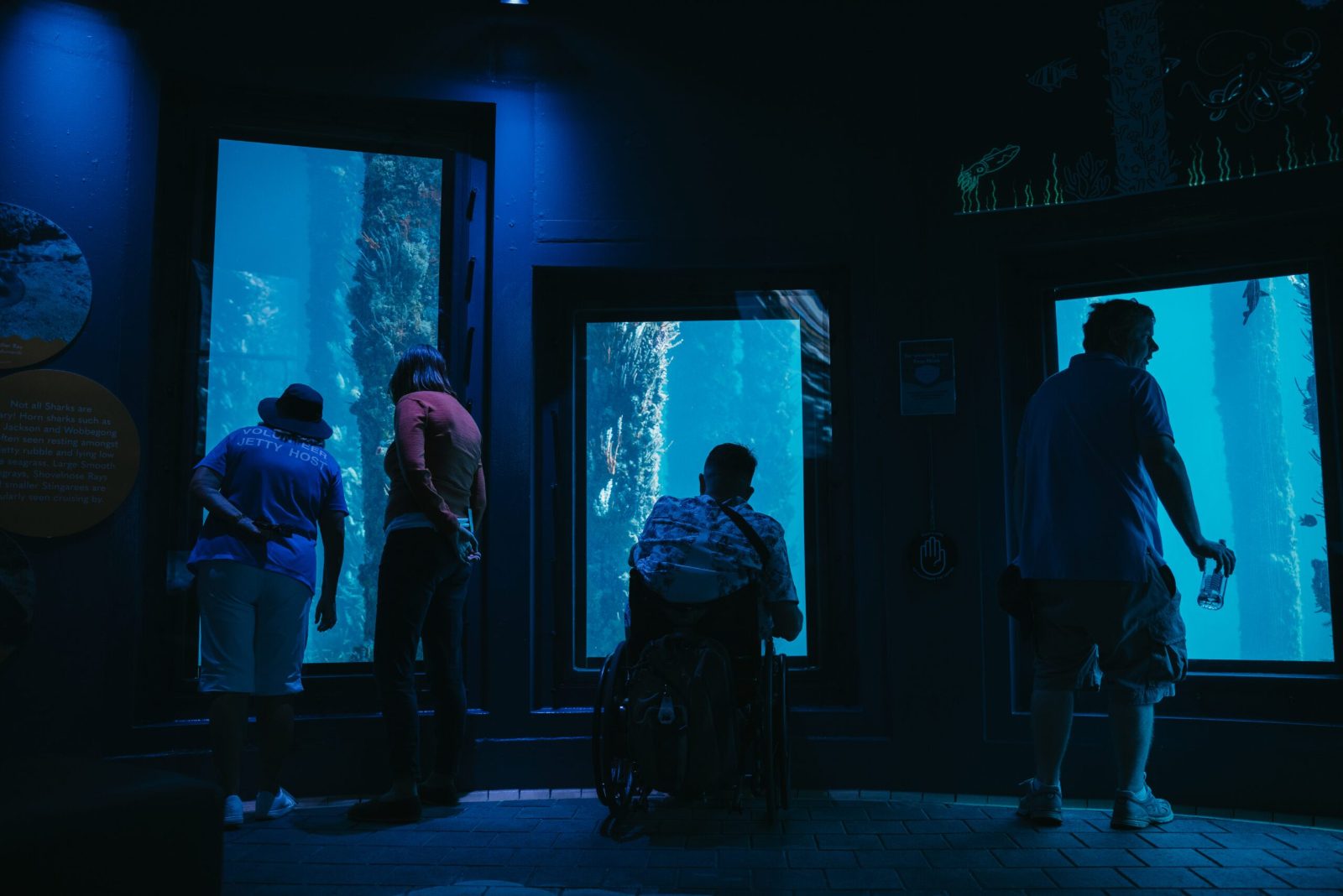
Located at the end of the jetty, this facility descends eight metres below the surface to view the artificial reef and surrounding marine life.
Look for fish schools congregating around the pylons.
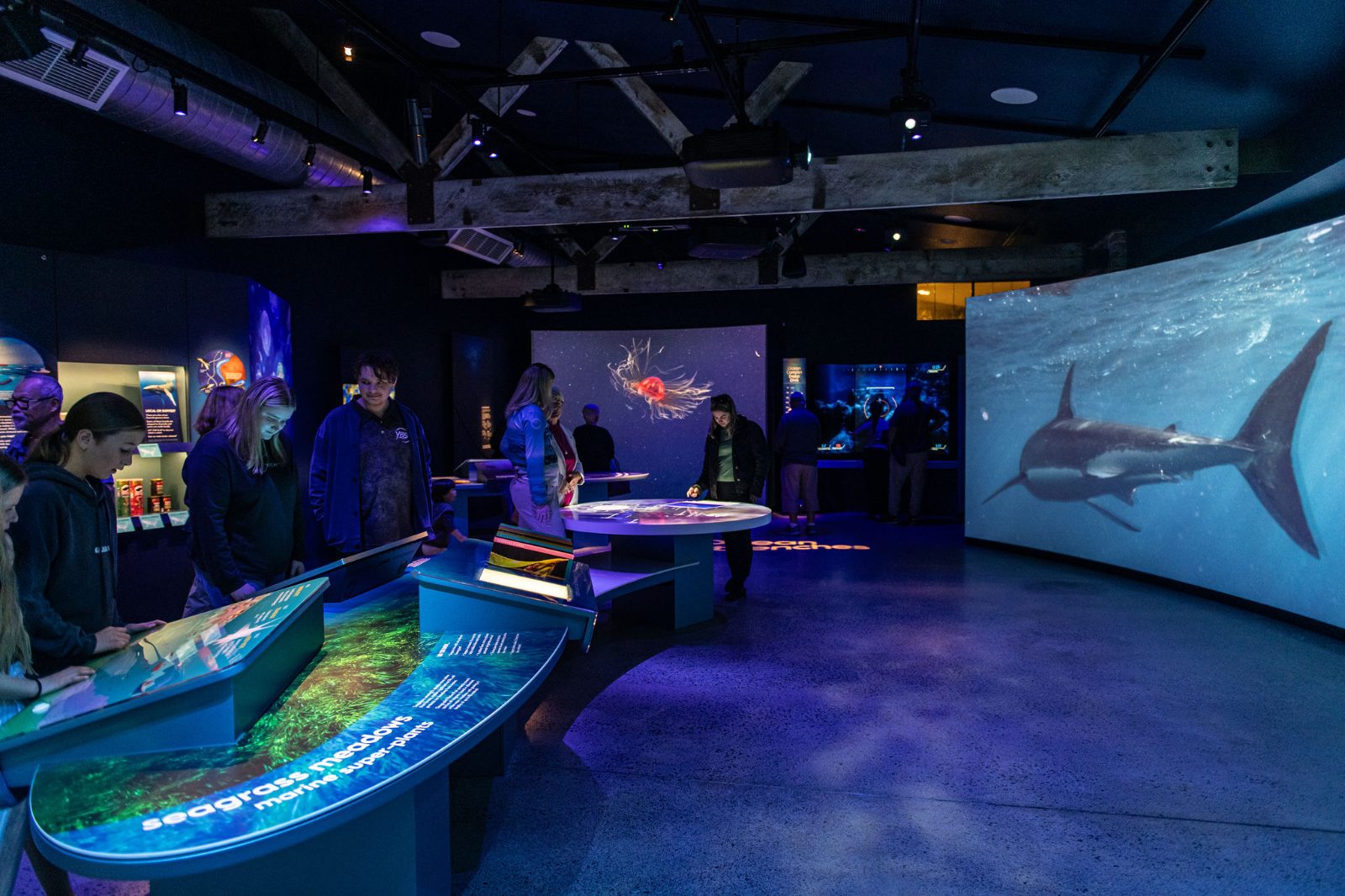
This facility provides background on the jetty's history and the diverse marine life found within the bay.
Visit prior to walking the jetty to identify local species.
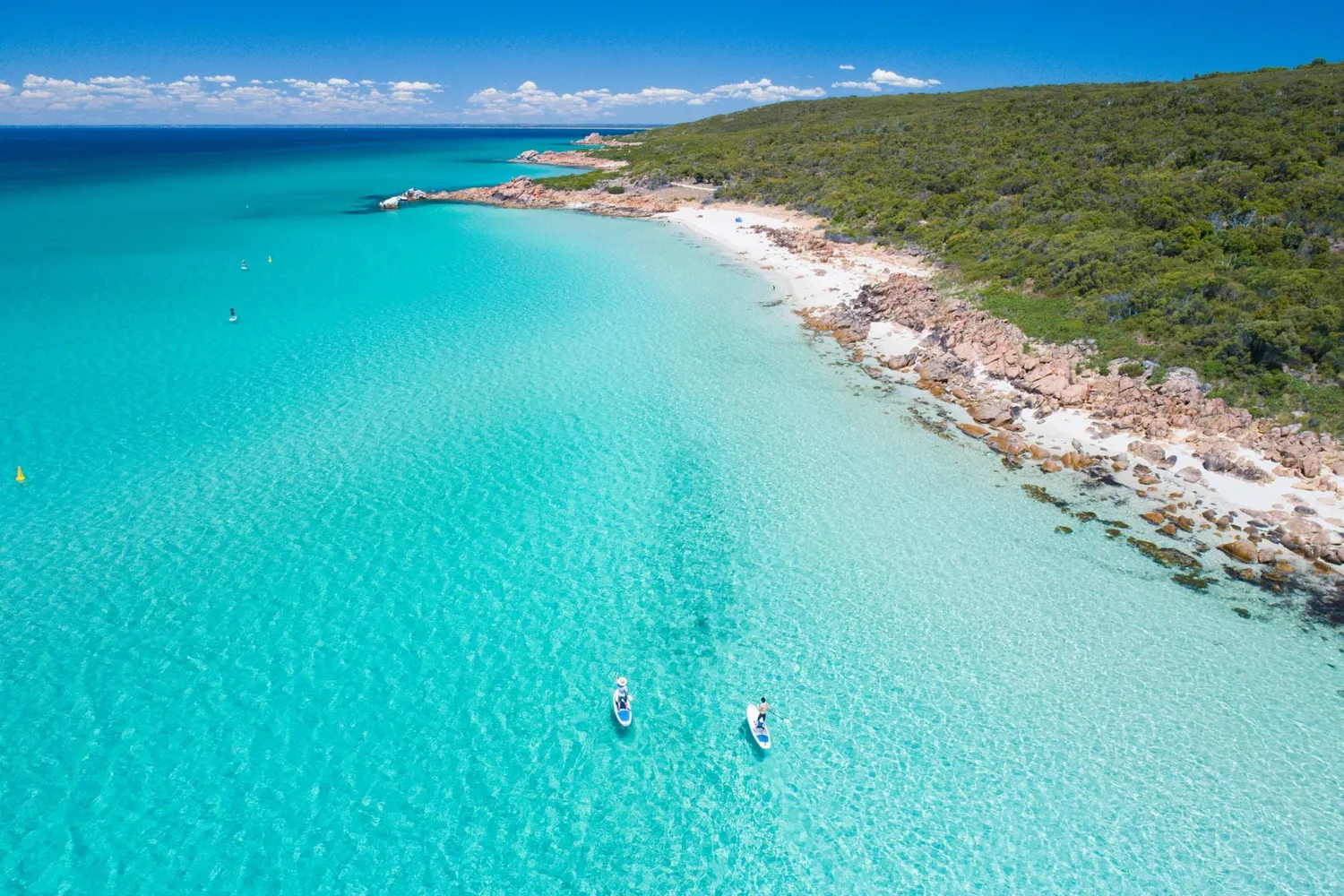
The surrounding waters are a known corridor for various marine mammals, offering a protected environment for observation.
Focus on the transition zone between shallow and deep water.
The Busselton Jetty is accessible daily to provide opportunities for observing marine life. Visitors are encouraged to arrive between 09:30 and 16:15 for the most favorable conditions.
The Busselton Jetty is located at 17 Foreshore Parade, Busselton WA 6280, Australia. The most direct approach for visitors is via the Bussell Highway, which connects Busselton to surrounding regions in the South West.
Bussell Highway to Foreshore Parade
Transwa South West Coach to Busselton
From Busselton town centre via Foreshore
Ample public parking is available adjacent to the jetty entrance. Visitors should aim for the best arrival window of 09:30–16:15 to ensure optimal light for coastal viewing and access to the jetty facilities.
Everything you need to know about can you see blue whales in australia
While the Busselton region is famous for humpback and southern right whale migrations, blue whale sightings are rare. It is generally not expected that you can see blue whales in australia near this specific coastline. Local waters are primarily recognized for other migrating baleen species. Tours operating from the area focus on identifying the diverse marine mammals passing through Geographe Bay. You might find that while you cannot typically see blue whales in australia here, the sightings of humpbacks are frequent during the migration season. Please check our booking section for current vessel availability. The optimal period for viewing cetaceans usually aligns with the northern and southern migration paths. Visitors are encouraged to plan their trip during the peak season to maximize their chances of spotting local marine life. The jetty features an underwater observatory that provides a unique perspective of the marine environment beneath the pilings. This facility allows guests to view sea life without needing to spot them on the surface. Entrance to the jetty requires a fee of 5 AUD for an adult Jetty Day Pass. This pass grants you access to walk the structure, while entry is free outside of Interpretive Centre hours. Although shore-based spotting is possible, you likely cannot see blue whales in australia from the beach. Binoculars are recommended for identifying migratory species at a distance. Jetty access does not require a pre-booked ticket for walking, but we recommend visiting during the best arrival window of 09:30–16:15 to ensure full facility access.